
[Charity Runner with a Refugee Background] Having Faith and Living in the Moment: Sherab’s life journey from Tibet, India, to North America
2026.06.16 難民支援協会
日本語記事:希望を持って今を大切にーチベットからインド、北米へ。シェラプさんの道のり
At the Tokyo Marathon 2026 Charity in March, 40 runners stood at the starting line as Charity Runners for the Japan Association for Refugees (JAR). Several runners have refugee backgrounds. We interviewed two of them about their life paths, current lives, and reflections on the Tokyo Marathon Charity.
Part 1: Having Faith and Living in the Moment: Sherab’s life journey from Tibet, India, to North America
Part 2: Keep Moving Forward: The Current Life of 1.5-generation Indochinese Refugees, John
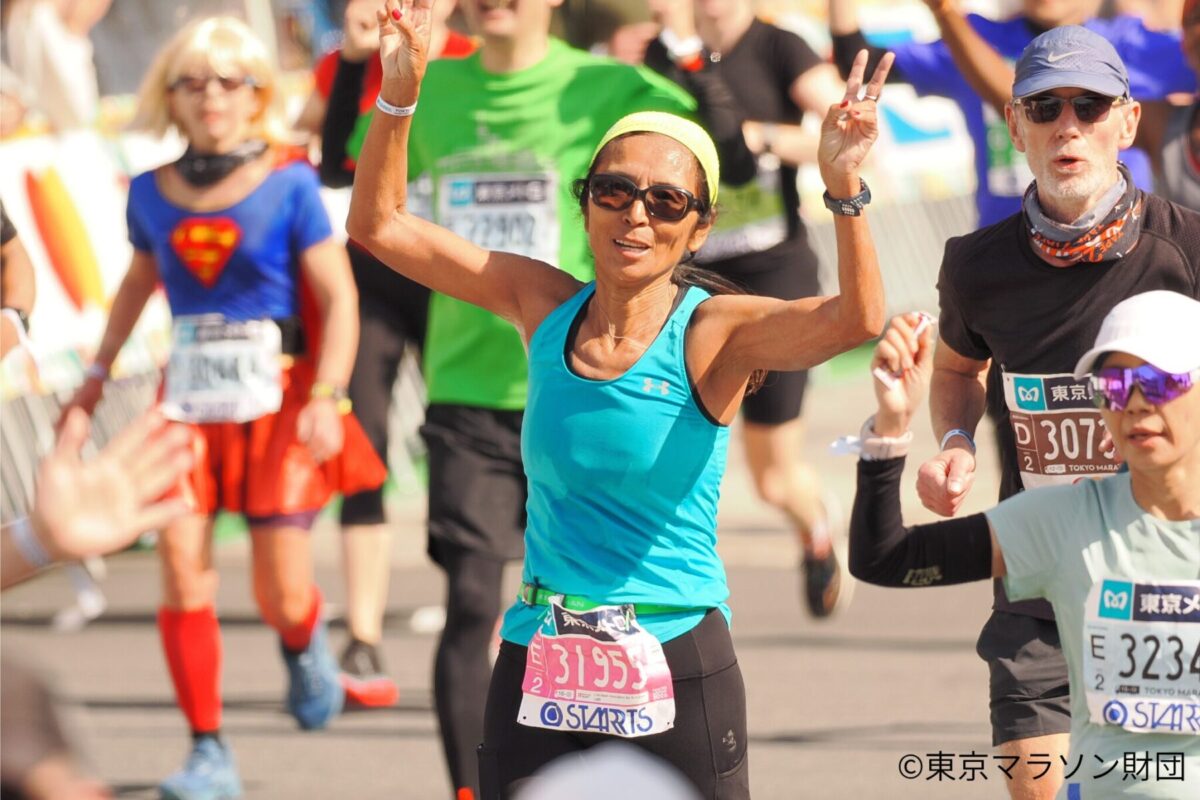
In part 1, we interviewed Sherab, who owns a company in Toronto, Canada.
Sherab was born in a small Himalayan town with parents fled from Tibet to India due to the oppression by China. Later, Sherab moved to North America and now owns a Gelato company. Sherab turned 60 and is still an avid runner.
Road to India: One-month Walk to the Border
ーーTell me your brief background.
I was born the child of a Tibetan refugee in Darjeeling, a small Himalayan town in India, in 1965. 6 years earlier, my mother had lived in Tibet. However, due to the oppression by China, my mother fled to India on foot. She said that it took a month.
I grew up in India. I received help through scholarships and grants to go to some good high schools and universities.
ーーWhat made you leave India?
Somehow, I faced a lot of racism and sexism in India, and I knew there was no future for me in India. I had to find a way to leave everything behind to make a better life for myself and my family. After my post-graduate education in India, I moved once again to the United States. All alone. A friend I made in New Delhi (an American ) wrote me a sponsorship letter and bought me a one-way ticket.
I had nothing in my pocket. Other than a Buddhist amulet, I carried in my bag for safekeeping and security. My secret guardian spirit. That’s about all the protection I had.
Because financially, I travelled with a single 1000 Indian rupee bill in my pocket.
New Life in North America
ーーTell us about your new life in the United States.
What followed in the U.S. for a few years were some of the hardest days of my life. I was alone. Homesick. Culture shocked. Scared. The lady who brought me over had plans for me that did not align with the life I envisioned for myself in America. So I left her home. And fortunately met a Tibetan refugee couple with an autistic daughter. Their life was extremely hard. Yet they took me in, into their one-bedroom apartment. I worked (illegally) all day, managing two jobs, waiting tables, and making and serving coffee at a Cuban coffee shop.
Working two jobs and sleeping on a couch rent-free allowed me to put some money aside in an envelope every day. As the Tibetan couple was also having a tough life, trying to resettle in the West. I felt lost.
Most days, I felt all hopes of a better life slipping through my fingers like the sand underneath my feet on the beach. There was no way of communicating with home. Before the days of smartphones or WhatsApp. I spent time by myself, weeping on the lovely shores of Miami Beach under blue skies, to feel better and gather myself together when life felt overwhelming and scary.
ーーHow is your daily life going so far?
I live in Canada. I have two wonderful children, and they have both grown up. My older daughter is living and working in the U.S. and is a strong supporter of refugee causes. My family owns a Gelato company. My job involves making sure clients get their product in a timely fashion. Again in the early days of establishing our business, there was a lot of struggle and hardship. I worked through both pregnancies. Taking time off only to give birth in the hospital.
ーーWould you share one of your memorable and favorite dishes?
Momos is a dumpling dish that is a favorite in every Tibetan household. Having meat was a luxury the family couldn’t afford too often. So when it was time to have momos, it was a very special day.
Grandpa would go to the butcher and get the meat early in the morning. Grandma would wear an apron. The Cleaver would come down hard on the chopping board. Then the family would come together to make the momos.
My children grew up loving momos as well. They asked for momos for every special holiday.
Christmas and Thanksgiving included. As adults, they still enjoy momo meals when they visit. When I get together with my mother and my siblings, we connect over the ritual of making momos together in the kitchen. To this day, as I now mix the ground meat with onions, ginger, garlic, and cilantro, I think of those early days with my grandparents. As I waited excitedly for the special momo feast.
ーーWhat do you do in your time outside of work?
Now my “intense hobby” (as my daughter calls it) of training for and running marathons keeps me fulfilled and busy. I began running just to keep healthy & manage the stress of raising children & growing a business. I qualified for my first Boston Marathon in 2003 and joined every year afterwards. We took the children to Boston the first year I raced. The nine-hour drive was spent with them reading, napping, and finishing up school homework in the back of the station wagon. They spent the weekend swimming in the pool in the hotel and exploring the Science and Boston Children’s Museum.
They loved it so much the following year, they begged for another family Boston road trip. Somehow, I kept training hard so annually we could continue the family weekend road trip tradition for the Boston marathon weekend. I also coach and help others find joy and themselves through distance running.
Similarity Between Marathon and Life
ーーWhat brought you to choose marathon as your hobby?
It is because distance running for me is a metaphor for life. It is riddled with suffering, hardship for sure. In the beginning. But stick with it long enough. Stay consistent. Married to the process. Endure. Slowly, the resilience and callouses you acquire through the journey set you up for lifelong fulfillment. Reward. Success. Nothing teaches you about the value of delayed gratification like the sport of Distance running and marathon training.
ーーHow was this Tokyo Marathon Charity?
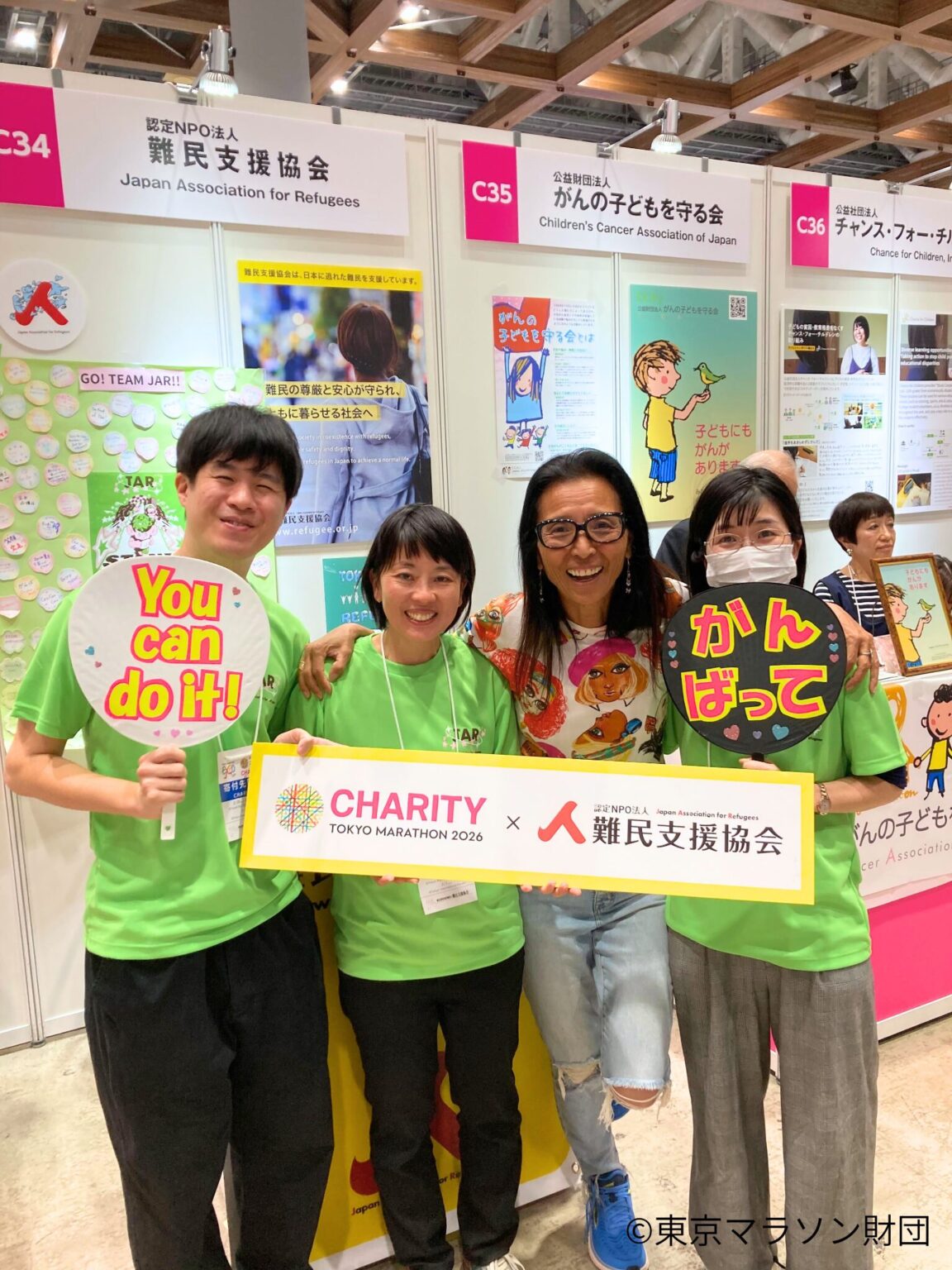
This year's Tokyo Marathon 2026 Charity, knowing I was running for refugees, made it such a meaningful race for me. This time, I wanted to make the experience more meaningful by running for a cause close to my heart & roots. So the Japan Association for Refugees was a team I wanted to connect with. Being privileged to be in a position to help others, I made a charity bid.
Seeing the team cheering on the course. Running past a Japanese fellow JAR runner around the 30K mark, as the heat and the race were starting to bark at us, was a really meaningful and life-affirming experience. It all brought home to me how far I have come from my roots. The distances I have covered. The struggles I have endured. With fellow humans.
Not only in training for marathons. The final kilometer felt celebratory. By the time I hit the cobblestone paths of Ginza, I was truly sad it was almost over.
Messages for Refugees Living in Japan
ーーLastly, do you have any messages for refugees?
A message I have for the refugees would be simple. Live in the moment. Have faith and Hope. Express gratitude to those who show up to help. Seek refuge in the culture and heritage of your roots spiritually. And know deep in your heart that everything will work out eventually. Our struggles are eventually always our success stories.
Related Stories:Keep Moving Forward: The Current Situation of 1.5-generation Indochinese Refugees, John
※Japan Association for Refugees is an official charity of the Tokyo Marathon 2027 Charity
Tokyo Marathon 2027 Official Website https://www.marathon.tokyo/en