
[Charity Runner with a Refugee Background] Keep Moving Forward: The Current Situation of 1.5-generation Indochinese Refugees, John
2026.06.16 難民支援協会
日本語記事:諦めずに日々立ち向かい続けるーオーストラリアに渡ったインドシナ難民1.5世ジョンさんの思い
At the Tokyo Marathon 2026 Charity in March, 40 runners stood at the starting line as Charity Runners for the Japan Association for Refugees (JAR). Several runners have refugee backgrounds. We interviewed two of them about their life paths, current lives, and reflections on the Tokyo Marathon Charity.
Part 1: Having Faith and Living in the Moment: Sherab’s life journey from Tibet, India, to North America
Part 2: Keep Moving Forward: The Current Situation of 1.5-generation Indochinese Refugees, John
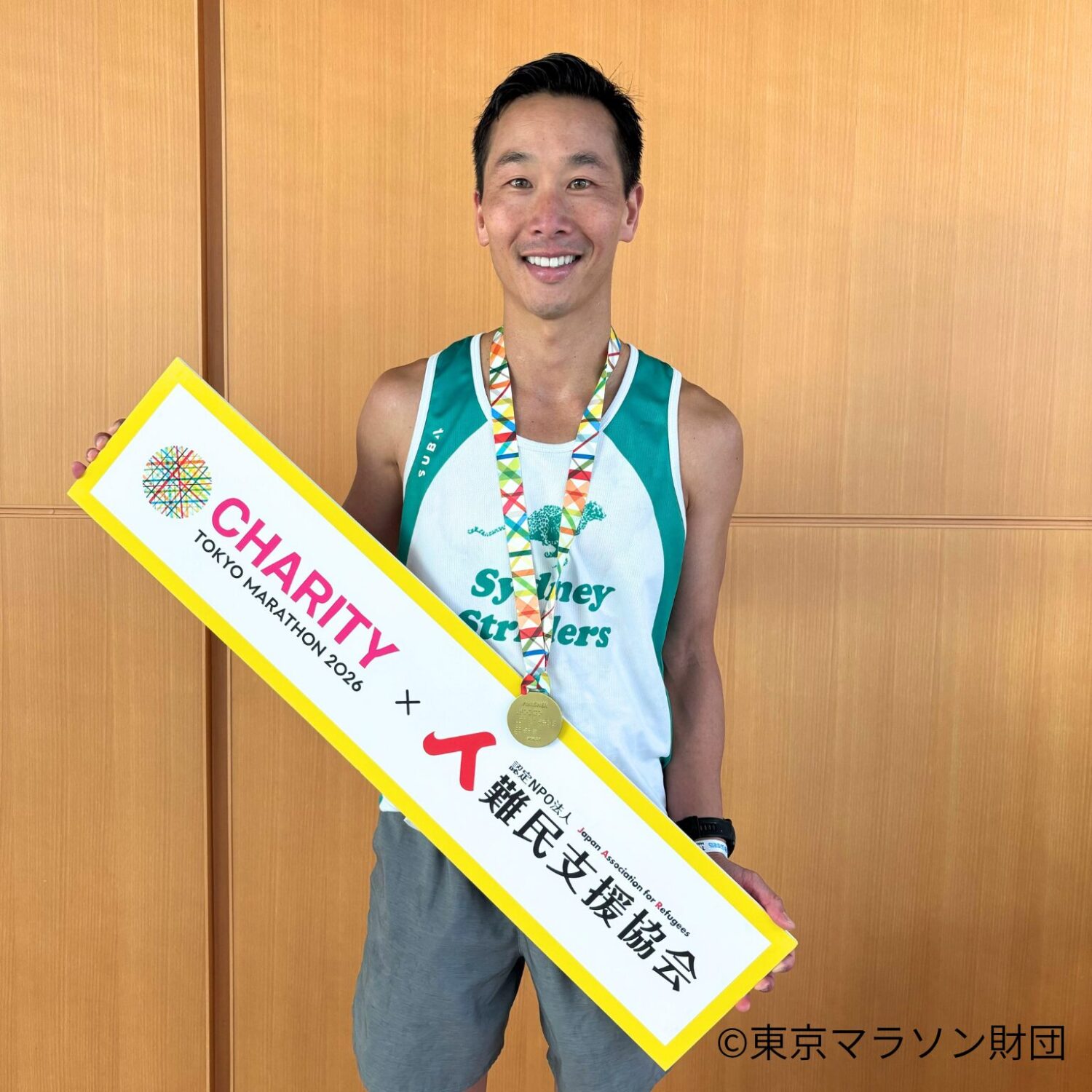
In part 2, we interviewed John, who moved from Vietnam to Australia in his childhood and is currently working in the IT industry. John moved from Vietnam to Australia at the age of three. John is one of the Indochinese refugees. John led a life in Australia while struggling between his home language, Cantonese, and the common language, English. John is currently working as an IT consultant.
At the Tokyo Marathon 2026 Charity, John finished the race in only 3 hours and 13 minutes and was the first to arrive at the JAR lounge.
Arriving in Australia as a three-year-old refugee
ーーCould you briefly explain what brought you to Australia?
I arrived in Australia with my father and mother when I was just three years old. We were first welcomed at the Wacol Migrant Centre in Brisbane, Queensland, before being permanently rehomed approximately 650 kilometres north.
ーーWhat was the most challenging part of your life in Australia?
The greatest personal challenge was learning English as a second language, as we spoke Cantonese at home with my parents. We arrived in Australia speaking no English, facing uncertainty and fear, yet determined to build a new life.
It was a journey of navigating two worlds with the language and culture of my new country, and the warmth and traditions of my family at home.
ーーWhat is the most memorable moment in your childhood?
One of my most enduring memories of that time is the warmth of the community— the neighbours, the local school, and the local sponsors who helped look after me while my parents worked hard to establish our new life. I did not fully understand at the time how much others were contributing to my upbringing, but looking back, I am ever grateful for the generosity of those community members who stepped in.
My growing up experience taught me that home isn’t just a place – it’s the people who love you, the traditions that ground you, and the resilience that carries you forward.
ーーWhat is your daily life like these days?
I work in the IT industry as a consultant. Outside of work, I have a passion for endurance sports — marathon running and cycling keep me grounded and focused. These pursuits have become an important part of who I am today, and I find great satisfaction in setting goals and working steadily towards them.
Similarities between Sports and Refugee Background
ーーWhat does running a marathon mean to you?
Today’s refugees face the same struggles my parents endured decades ago. They arrive with hope but encounter barriers – language, employment, housing, and the simple human need to belong. I believe that running has the power to raise awareness of health and social values, as well as being a unifying force.
The months spent training together for a marathon create genuine connections that transcend language barriers. There’s something magical about shared miles, shared struggles, and shared victories that builds bridges between cultures.
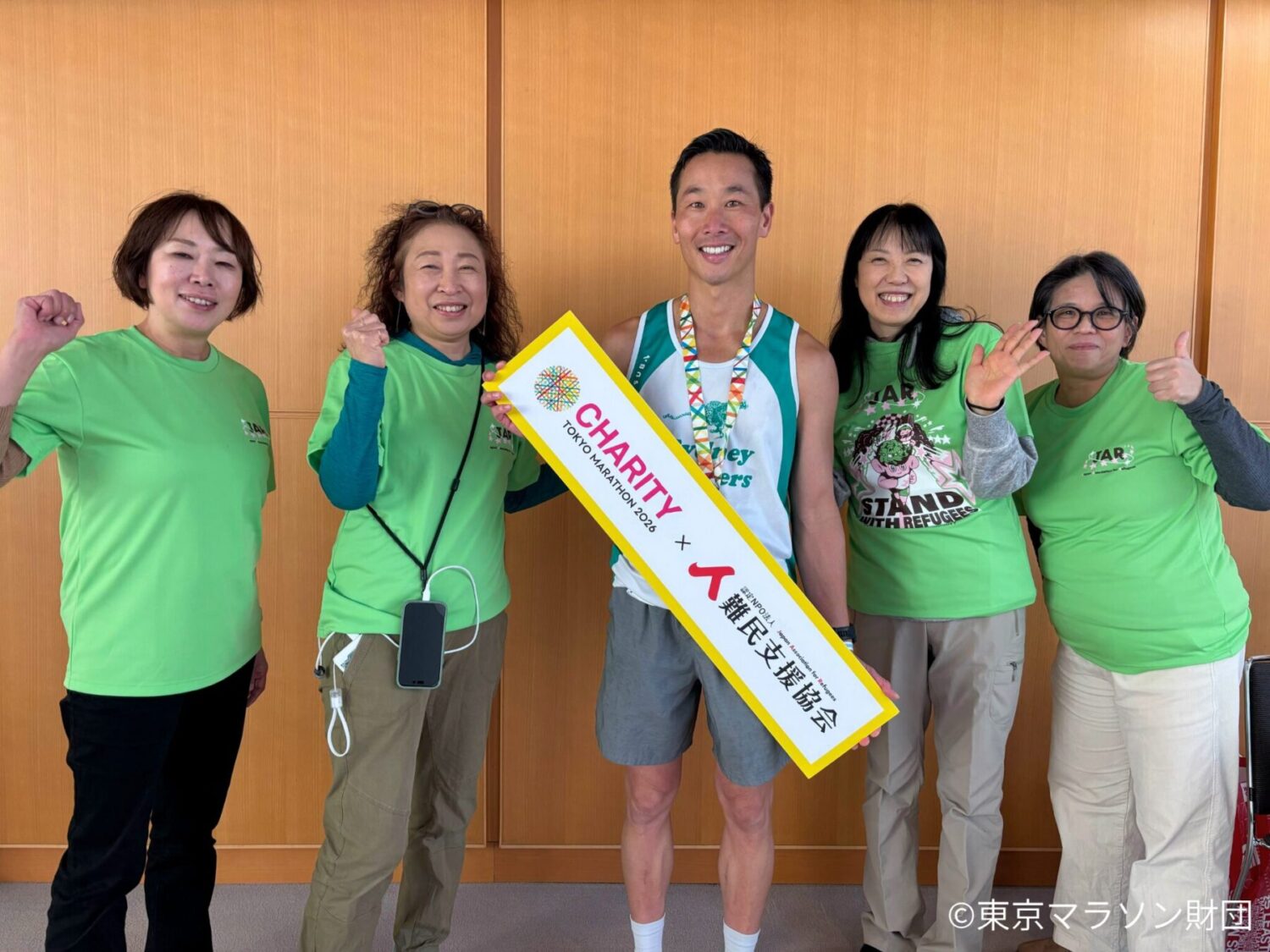
ーーHow was this year’s Tokyo Marathon 2026 Charity?
Running the Tokyo Marathon Charity as a Charity Runner was an extraordinary experience.
For me, the parallel between marathon running and life as a migrant is clear — both require preparation, commitment, and a long-term strategic mindset. Training does not always go to plan, and neither does life. But consistency is what carries you through. You keep showing up, you keep moving forward, and eventually you reach your goal.
ーーDo you have any messages for people living in Japan?
Thank you for welcoming runners from all over the world who arrived in Tokyo as strangers with extraordinary kindness. That spirit of welcome means everything to people who have experienced what it is to start again somewhere new. We take home with us something far greater than a finisher's medal.
※Wacol Migrant Centre: It was a large migrant reception centre in Queensland that existed from the 1950s to the 1980s. Many Indonesian refugees were accepted there after 1975.
This place provided not only accommodation but also resettlement support, including English lessons and employment assistance.
Related Stories:Having Faith and Living in the Moment: Sherab’s life journey from Tibet, India, to North America
※Japan Association for Refugees is an official charity of the Tokyo Marathon 2027 Charity
Tokyo Marathon 2027 Official Website https://www.marathon.tokyo/en