
【JOICFP Report 2025】 Donations Driving Change in Sexuality Education
2026.02.16 ジョイセフ
We are JOICFP, a Japan-based NGO working to advance sexual and reproductive health and rights (SRHR) globally. We have worked in 43 countries and regions* to help build a world where women and marginalized people can protect their health and lives, and where everyone has the power to choose their own future.
For the Tokyo Marathon 2025 Charity, 52 charity runners from Japan and around the world participated to support JOICFP. Their generous donations are now helping to promote “Comprehensive Sexuality Education” (CSE) in Kenya and Japan, shaping a better future for young people. In this article, we share our on-the-ground activities and the impact of the support.
*Country/Region|Ministry of Foreign Affairs of Japan
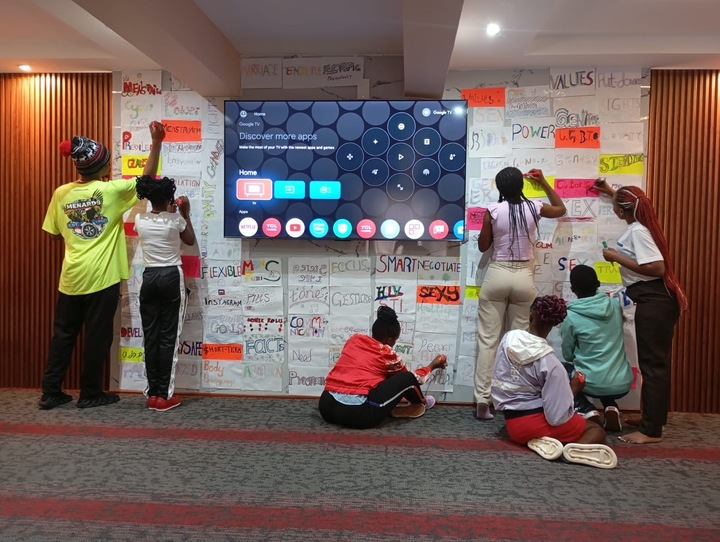
Comprehensive Sexuality Education (CSE) is an educational approach grounded in human rights that provides broad, age-appropriate learning about sexuality. It covers not only knowledge about the body and sex, but also gender equality, relationships, sexual diversity, and other essential topics. Through CSE, individuals acquire the knowledge and skills they need to live healthy, informed, and authentic lives. UNESCO's “International Technical Guidance on Sexuality Education” serves as the global standard for CSE.
Comprehensive Sexuality Education provides a foundation for each and every person to live a life true to themselves. However, both Kenya and Japan face a shared challenge: CSE is not sufficiently implemented in public education. The donations to JOICFP through the Tokyo Marathon 2025 Charity are helping to drive gradual but meaningful change in this situation.
① Kenya | Slums of Nairobi: Empowering Young People to Take Control of Their Own Lives
The Harsh Reality of Slum Life That Limits Young People’s Choices
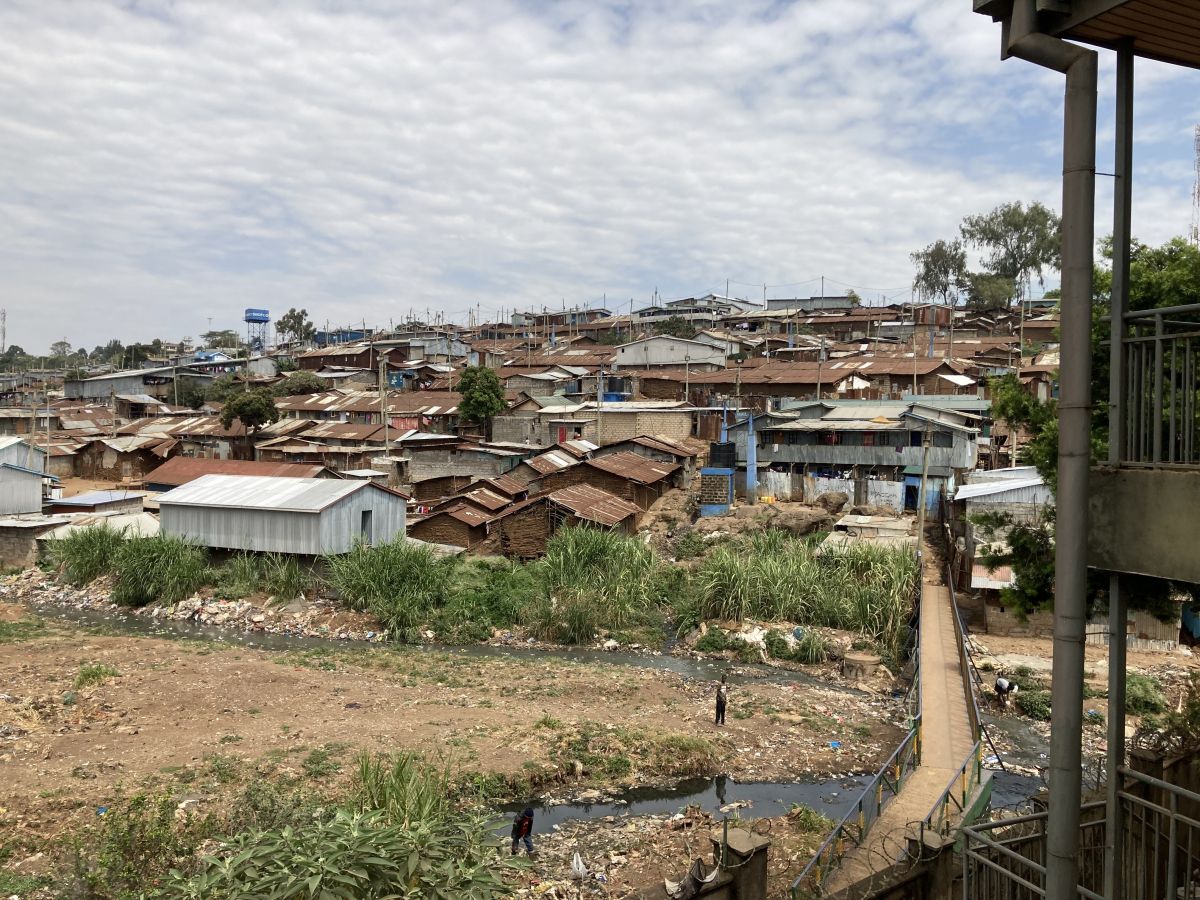
Kibera is one of Africa’s largest informal settlements. Many residents live in overcrowded conditions marked by severe poverty, and countless young people lack access to accurate information about sexuality. As a result, they are often unable to make informed decisions about their lives and futures, and many are pushed into paths they did not choose.
In Kenya, the teenage pregnancy rate is approximately 15 percent—significantly higher than Japan’s rate of around 1 percent*. Many girls are forced to leave school due to pregnancy and later face poverty as single mothers, with limited opportunities for education or employment.
In slum communities, poverty-driven transactional sex, sexual violence by gangs, and unsafe, illegal abortions have become part of everyday reality. These challenges are compounded by the lack of basic infrastructure, including waste management systems, sanitation facilities, and reliable access to clean water and electricity, which further intensifies serious health and hygiene risks.
*Kenyan data defines “youth” as ages 15-19. Japanese data defines “teenagers” as ages 13-19.
Empowered Young People Transforming Their Actions—and Their Futures
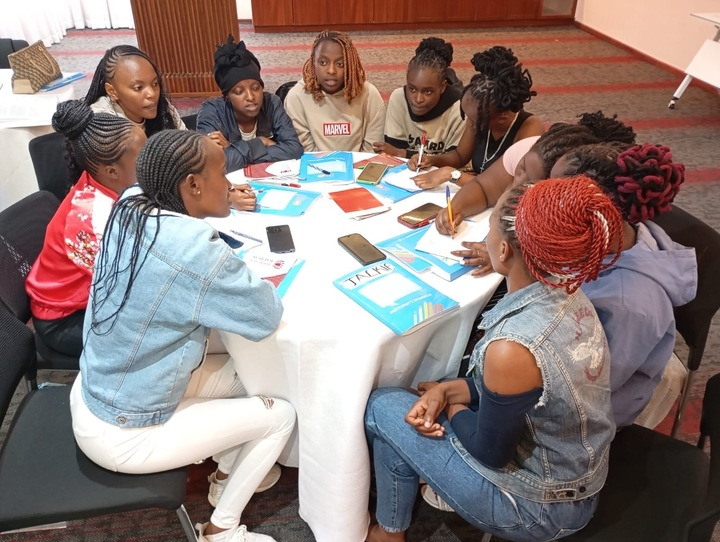
In 2025, JOICFP trained 15 young people aged 15 to 25 as facilitators (peer educators) in three communities, including Kibera, with the aim of fostering community-led initiatives that promote Comprehensive Sexuality Education.
At the heart of Comprehensive Sexuality Education is sexual and reproductive health and rights (SRHR). By deepening their understanding of SRHR, these facilitators have become youth leaders who share accurate information about sexuality with their peers and inspire positive changes in knowledge, attitudes, and behavior. This people-centered approach goes beyond short-term support: it continues to take root in local communities and generate lasting impact even after the project period ends.
As a result of the training, the facilitators’ average knowledge score increased significantly—from 61 percent before the training to 88 percent afterward. They learned key facts including that there is no universally “safe” time during the menstrual cycle, that the rhythm method is not a reliable form of contraception, and that HIV/AIDS is not a disease of the past. With this knowledge, facilitators are now able to communicate with confidence and support informed decision-making within their communities.
Voices from the Facilitators
The training has brought meaningful changes in how young people think about themselves, their relationships, and their futures. Below are some reflections shared by the facilitators:
“I learned that even in a romantic relationship, decisions about my body and my life should be made by me, not influenced by my partner. I now feel that I have the right to say ‘no’ without feeling guilty.” (17-year-old girl)
“I learned that the decisions I make now will shape my future. I am deeply grateful to the people in Japan who made it possible for us to gain this knowledge.” (17-year-old girl, young mother)
“Many girls use emergency contraception without fully understanding how it works. If I have a partner in the future, I want us to talk openly and responsibly about how to prevent unintended pregnancy.” (16-year-old boy)
Support from charity runners in Tokyo is reaching young people in Kenya through Comprehensive Sexuality Education—becoming a powerful force that enables each individual to shape their own future.
Carrying forward the baton of support entrusted to us by all of you is much like running a marathon. Rather than offering temporary assistance, JOICFP continues to run alongside communities as a long-term partner—developing learning materials, nurturing local leaders, and staying committed until the initiatives we launch together take root and flourish.
② Japan | Workshops Held at 18 Locations Nationwide—Breaking the Taboo Around Sexuality and Advancing Comprehensive Sexuality Education
One of the key reasons Comprehensive Sexuality Education has struggled to gain traction in Japan is the persistent taboo surrounding conversations about sex. Many people find it difficult to speak openly about sexuality.
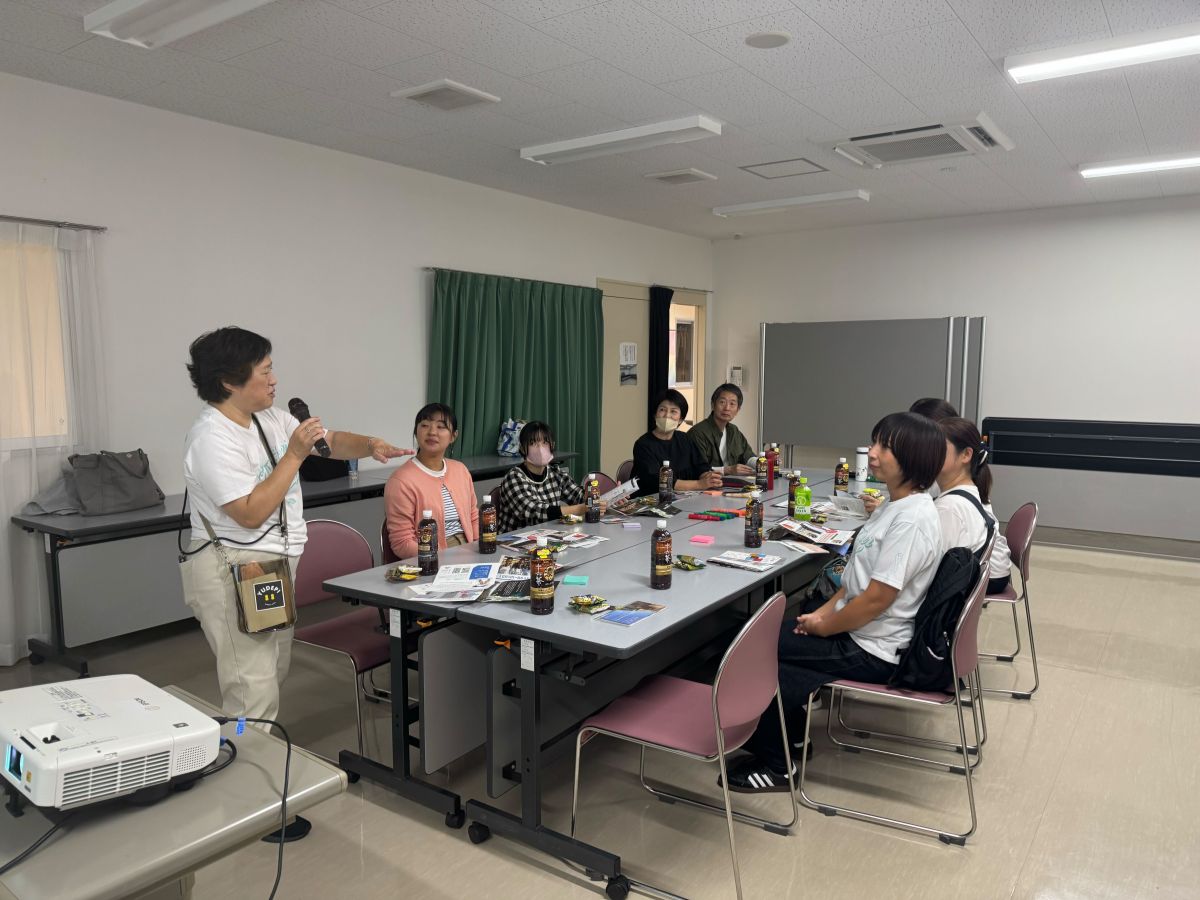
To address this challenge, JOICFP organized dialogue-based workshops on sexuality at 18 locations across seven prefectures nationwide. By setting aside the assumption that “talking about sex is shameful,” participants were able to engage in honest conversations about gender, sexual violence, contraception, and their own bodies.
This initiative has become an important step toward helping individuals recognize the need for Comprehensive Sexuality Education and work together to advance it.
Workshops Where People from Diverse Backgrounds Speak Openly About Sexuality
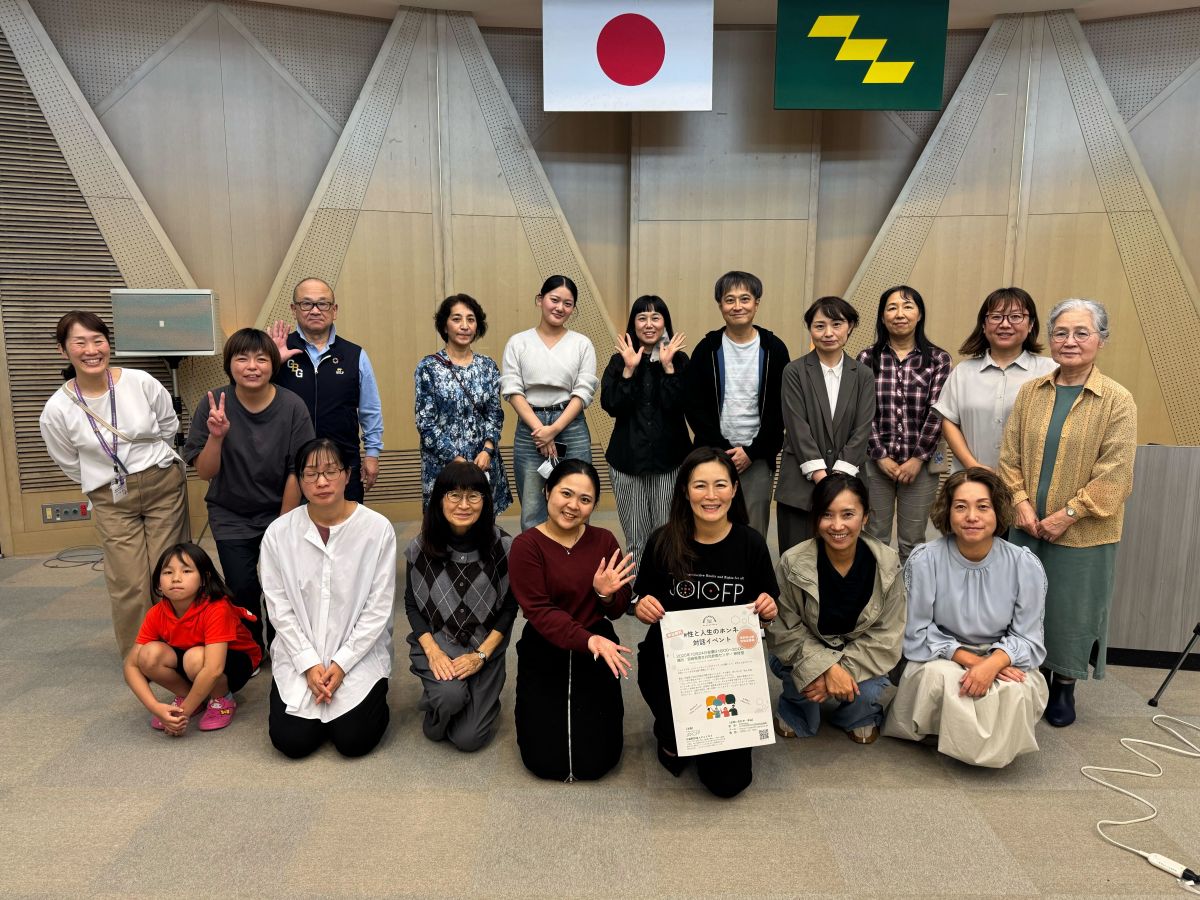
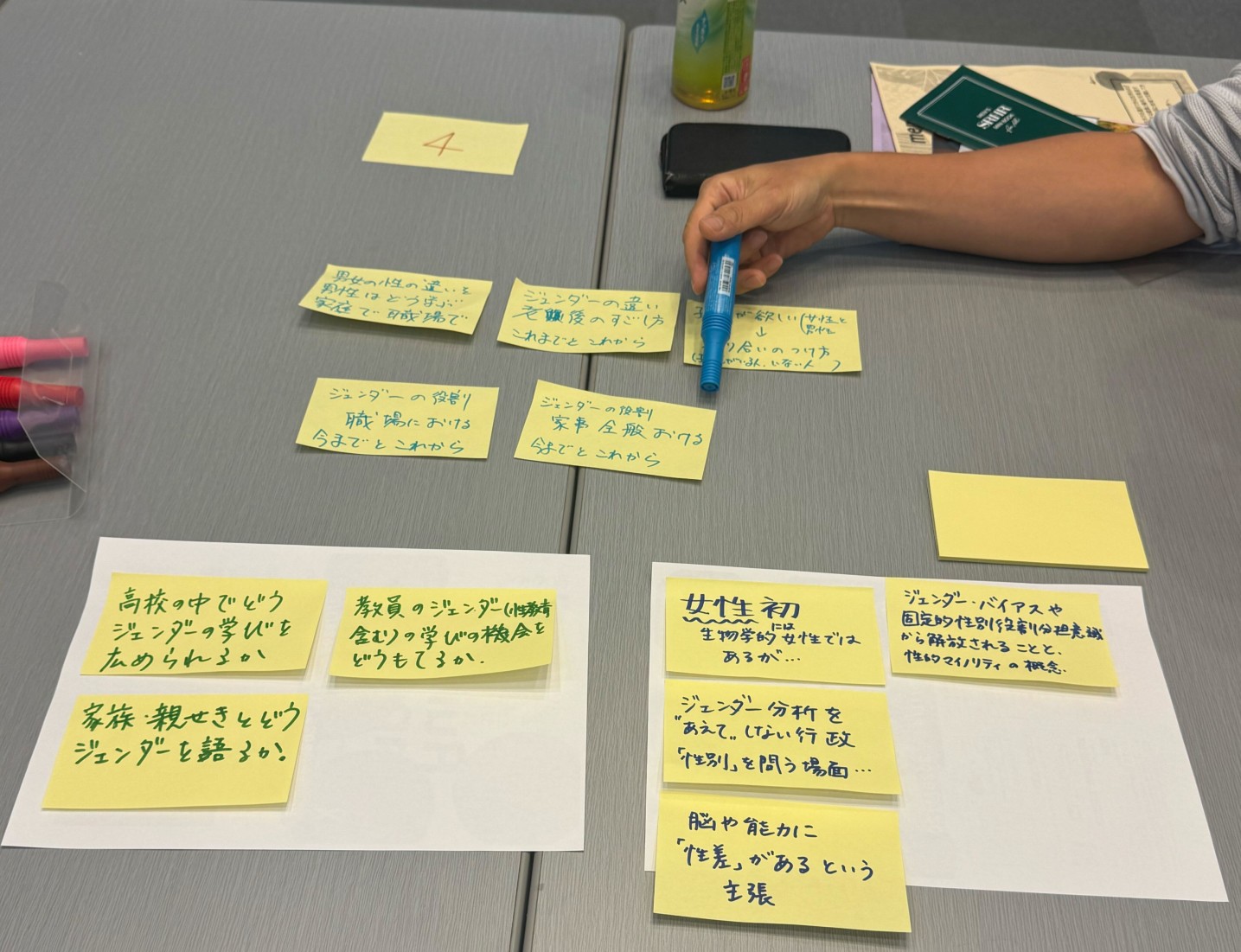
The workshops were held at 18 locations across Japan, bringing together people from diverse backgrounds—including parents of adolescents, school teachers, healthcare professionals, local assembly members, and students. Guided by the principles of sexual and reproductive health and rights (SRHR), discussions focused on five key themes: sexual violence, unintended pregnancy, sexually transmitted infections (STIs) and HPV (human papillomavirus), gender, and preconception care.
Each workshop began with a simple yet profound question: “Sexual desire is one of the basic human needs—so why is it so difficult to talk about?”
From there, participants began to share honest and deeply personal reflections that are rarely expressed in everyday life.
・Gender and Unconscious Bias
Discussions explored unconscious bias embedded in everyday life—reflected in school uniforms, educational and career choices, workplace evaluations, gendered roles in schools and organizations, and the division of household labor. Through these conversations, participants came to recognize the importance of those in the majority becoming aware of the “assumptions” they take for granted.
・Unintended Pregnancy and the Pressure Placed on Women
Unintended pregnancy is not limited to young people; it can affect anyone. In some cases, individuals are unable to seek advice or support, leading to isolated childbirth and, in extreme situations, infant abandonment.
When this happens, responsibility is often placed solely on women, while men are rarely held accountable. Workshop participants expressed concern about this imbalance and emphasized the need for shared responsibility.
Many participants reflected on the question: “Could these tragedies have been prevented if support had been available earlier?” Creating environments where people can seek help without fear or stigma was identified as an urgent priority.
・Lack of Knowledge About Contraception
In Japan, where Comprehensive Sexuality Education remains limited, many young people reach adulthood without accurate knowledge about contraception. Parents and teachers, having received little sexuality education themselves, often feel uncertain or avoid the topic altogether.
As a result, young people frequently turn to sensationalized media or adult content as sources of information. Teenage unintended pregnancies are increasing, highlighting the urgent need for action. Comprehensive Sexuality Education—including contraception—is essential for everyone to gain accurate knowledge and to protect their own bodies, as well as the lives and futures of those they care about.
・Sexual Violence and Consent
The workshops also addressed the definition of sexual violence, the realities of what is happening in society, and the socialstructures that give rise to both harm and victimization. Participants reaffirmed that any sexual act without consent—regardless of whether it involves physical force or threats—constitutes sexual violence.
Preventing sexual violence requires everyone to understand and respect healthy personal boundaries. Comprehensive Sexuality Education plays a critical role by addressing human rights and fostering respectful relationships.
・Sexually Transmitted Infections and HPV
Many participants shared that they were learning for the first time that most cases of cervical cancer are caused by HPV, a virus transmitted through sexual contact; that men can be carriers of the virus; and that vaccination can prevent infection.
While HPV vaccination has progressed globally and cervical cancer rates are declining in many countries, Japan continues to see approximately 10,000 new cases each year—one of the most serious situations among developed nations. Given the risk of losing reproductive organs and even life in advanced cases, participants reaffirmed the importance of sharing accurate information.
Seeds of Awareness Across Japan
One of the most striking findings from the post-workshop surveys was that nearly all participants said Comprehensive Sexuality Education is necessary in Japan.
“If I had known this earlier, I might have been able to protect myself and the people I love from harm.”
Determined not to pass such regrets on to the next generation, these workshops have planted seeds of awareness across Japan—made possible through the support of charity runners who share the vision of a society where everyone can live their lives, and their sexuality, with dignity and joy.
Taking the Next Step—Together
Step by step, Comprehensive Sexuality Education is advancing in both Kenya and Japan. These initiatives have been made possible through donations to the Tokyo Marathon 2025 Charity, as well as contributions from related events, including White Ribbon Runs organized by JOICFP in connection with International Women’s Day to promote the importance of women’s health and rights.
We are deeply grateful to everyone who supported these efforts. Our goal is a world where everyone can live in good health and be true to themselves. We look forward to continuing this journey—and running the next stretch of the course—together with you.
JOICFP is an official charity of the Tokyo Marathon Foundation Charity RUN with HEART.
official website: https://www.joicfp.or.jp/eng/